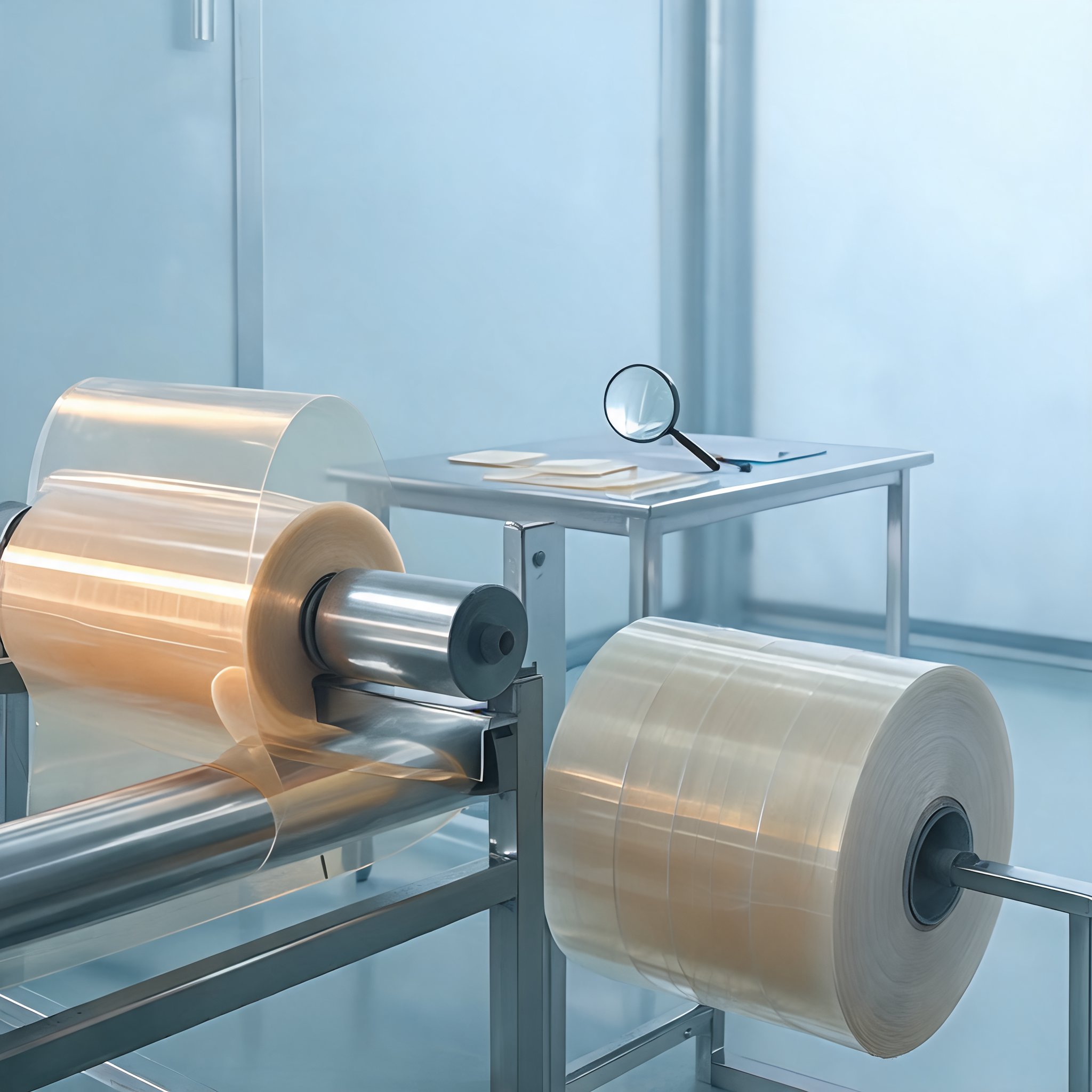
Innovia Films has been named a finalist in the Sustainability Awards in the Driving Circular Economy category for a recycled polypropylene (rPP) film intended for labels and packaging in European food-safe applications. The film is made with post-consumer recyclate, and the company describes it as a world first for this combination of material and end use.
In an interview published alongside the shortlist announcement, Innovia summarised the entry as a new route for recycled polypropylene in technically demanding film applications. The company said it played a role in developing the necessary polymer feedstock and then delivered recycled content in a specialist film.
Compliance route and claimed first
According to Innovia, the film is among the first commercially available films to offer recycled polypropylene content with an EU food application Declaration of Compliance under Regulation (EU) 2022/1616, using the Annex III and novel technology route. On that basis, the company says the material is available for any brand to use.
The company also points to the supply and processing chain behind the film, which it describes as transparent and traceable. Innovia presents the launch as a demonstration that EU food-safe mechanically recycled polypropylene film is a practical reality and as a route that other converters and brand owners could follow.
Development work at Wigton
Innovia said the project required its R&D and manufacturing teams at its Wigton site in Cumbria to work differently. Laboratory analysis, pilot processing, film formulation, production trials and optimisation of its “double bubble” manufacturing process ran in parallel, feeding results back into development of the polymer itself.
The company argues that producing performance films from fully specified virgin raw material is already difficult, and that meeting untested objectives with a recycled feedstock added further hurdles. It also highlights the speed of development, noting that few in the industry expected EU food-safe mechanically recycled polypropylene film to become available as soon as it has.
Innovia already produces EU food-safe recycled polypropylene film using polymers from chemical recycling. It says the mechanical recycling route now offers a comparable option that is efficient, requires less energy and leaves the factory with a better carbon footprint for the film.
Industry response and next steps
Innovia reports strong interest from the industry since the launch. Its technical service colleagues are coordinating customer trials across a range of technical applications, and the company says new enquiries for additional film types continue to arrive. It reads this as evidence that brands are continuing their sustainability and circular economy programmes.
The company links the timing to the forthcoming Packaging and Packaging Waste Regulation (PPWR), arguing that its EU food-contact-safe mechanically recycled rPP film addresses a crucial industry need. It says partners can scale recycled content across their supply chains while reducing environmental impact and lowering the carbon footprint.
The launch product is now being followed by an expanding film range, which Innovia describes as a comprehensive portfolio with sustainability credentials. The winners of the Sustainability Awards are announced annually at the Sustainable Packaging Summit; the next edition is scheduled for 30 November to 2 December 2027 at the RAI Amsterdam.