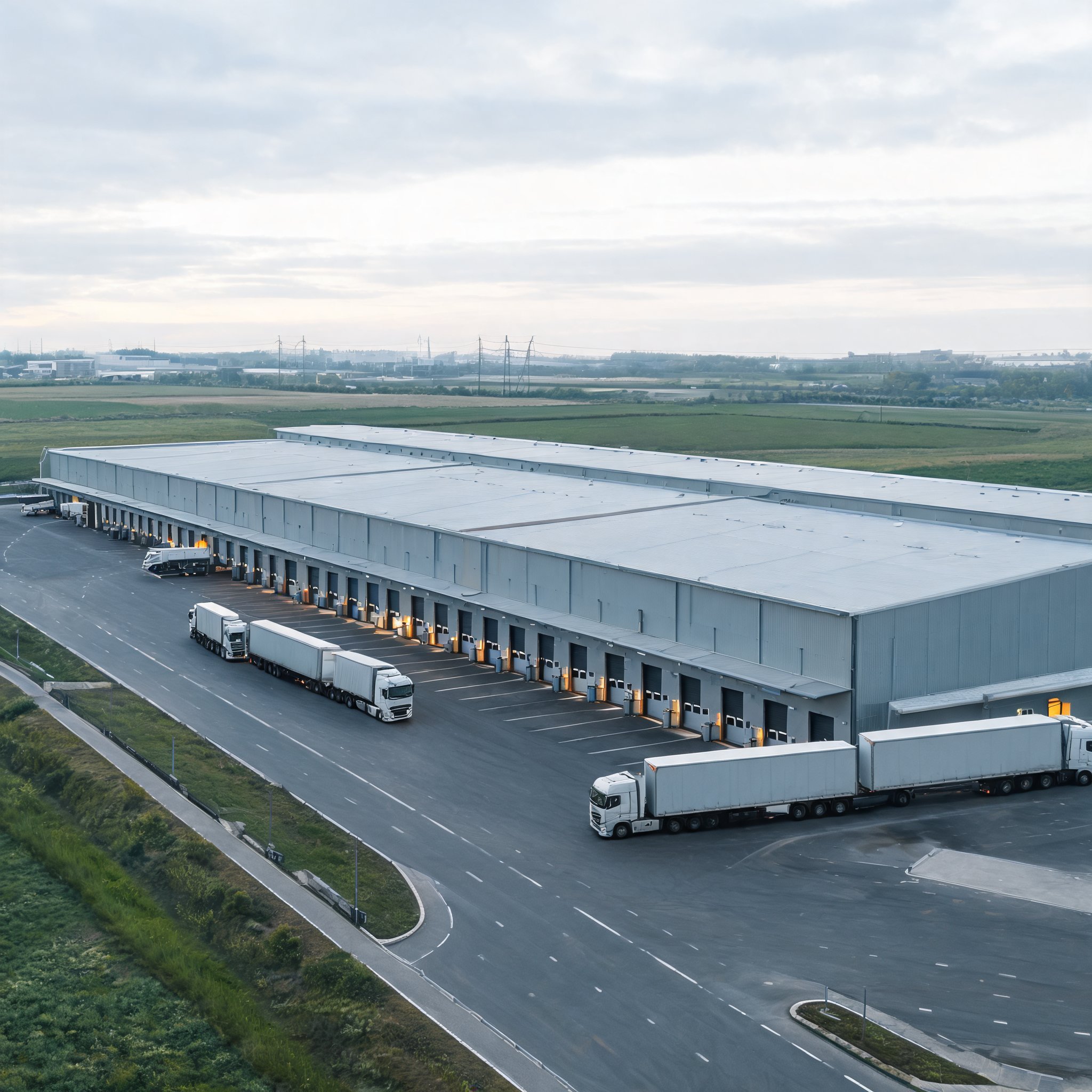
CTP has signed a lease with Pepco for 55,619 m² (598,677 ft²) at CTPark Bucharest West in Romania. Pepco will operate a regional distribution centre from the facility, serving the Romanian market and the wider Central and Eastern Europe (CEE) region.
Pepco had previously occupied the building through a third-party logistics provider. Under the new agreement, the retailer has entered a direct partnership with CTP, changing the occupancy structure rather than initiating a new use of the site, according to the details provided. The site remains part of Pepco’s regional distribution network.
CTP said the agreement reinforces CTPark Bucharest West’s position as a strategic logistics hub for regional distribution operations. The park is described as the largest industrial park in continental Europe, with approximately 1.5 million m² (about 16 million ft²) of planned lettable space.
Andrei Marian, business development director at CTP Romania, said that Pepco’s choice reflected the location’s strategic importance, while the move to a long-term direct lease confirmed a strong relationship. He added that CTP had worked closely with Pepco to create a solution tailored to the retailer’s operational requirements and distribution network. CTP said it was pleased to continue the relationship and valued the confidence Pepco had placed in it as a long-term partner.