TIME has named Polytag’s Ecotrace Programme one of its Best Inventions of 2026, recognising the system’s role in giving brands more visibility into what happens to packaging after use.
The programme was selected in the Reuse & Recycle category and appears among 300 innovations on TIME’s annual list.
How the system works
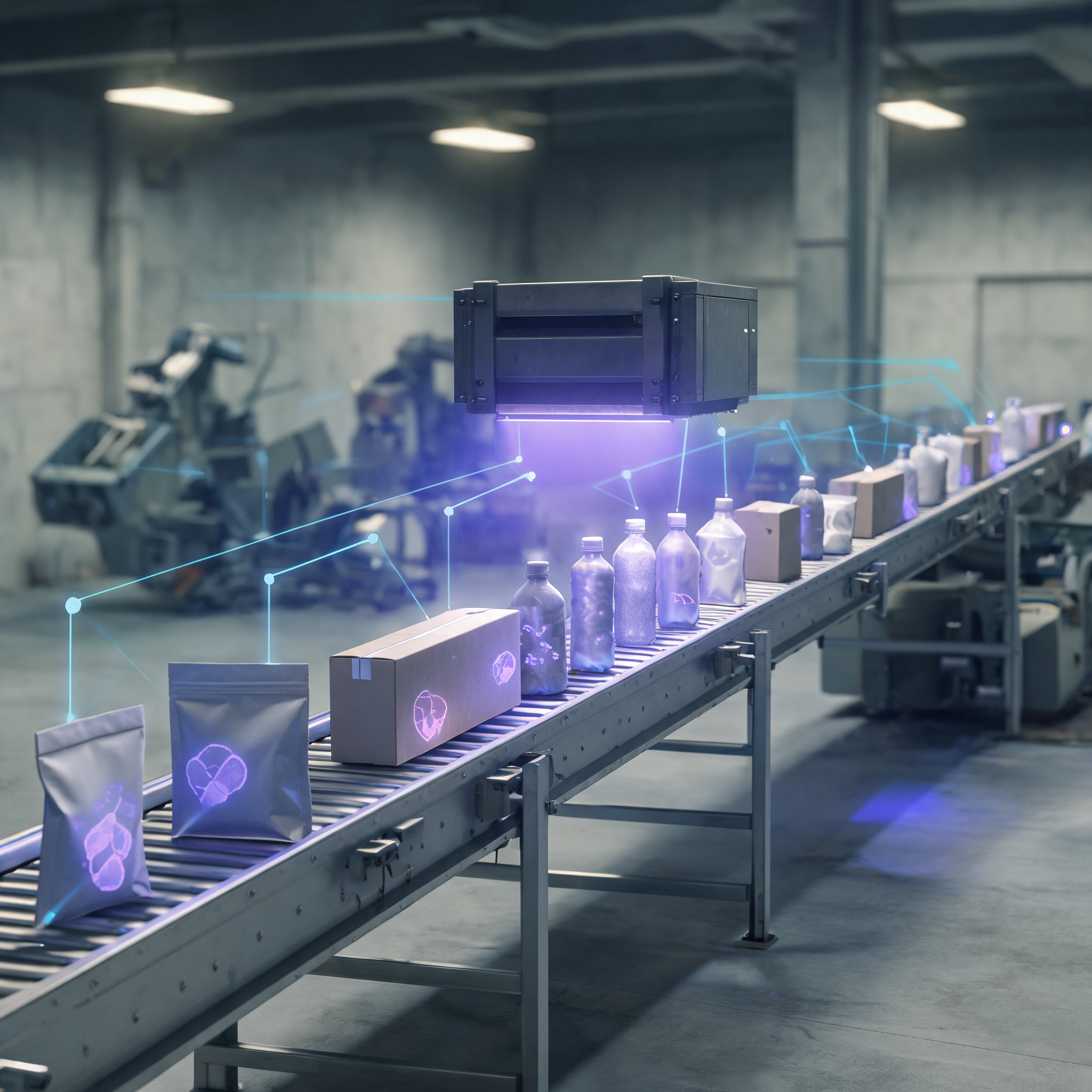
Ecotrace captures barcode-level proof of recycling by detecting data from invisible UV tags activated on packaging. For packaging manufacturers, printers, converters and ink suppliers, it offers a way to build traceability into packs using specialist fluorescent UV inks and existing printing processes.
The tags are invisible to the naked eye and can be incorporated into packaging labels without requiring a fundamental change to established production workflows. Brands activate the tags, and Polytag equipment detects them as packaging passes through recycling facilities.
The technology uses global open standards to capture barcode-level data showing which tagged packaging reaches those facilities and where and when it is detected.
Data beyond detection
The tags can also carry additional information about a pack, including plastic melt flow temperature, the packaging converter or food-grade status. Depending on the data encoded, this can provide insights at pack-variant or batch level and across defined time periods.
This gives brands and retailers a clearer picture of how packaging performs after use and helps inform decisions about packaging design, material selection and recyclability. Polytag said that as Extended Producer Responsibility increases accountability for packaging placed on the market, the data can help businesses build a stronger evidence base for packaging performance and recycling outcomes.
The technology is being used by Ocado and Waitrose, with UV-tagged packaging generating data at enabled recycling facilities.
Industry reaction
Debbie Waldron-Hoines, consultant CEO at the Flexographic Industry Association, said the recognition shows the role innovation can play in tackling some of the packaging industry’s biggest challenges. For printers and converters, she said, technologies that connect packaging with data about what happens to it after use could open new opportunities to support brands in assessing packaging performance and informing future design decisions. She added that it is encouraging to see innovation connecting the print and packaging sector with wider conversations about recycling and circularity.
Alice Rackley, chief executive of Polytag, said being named one of TIME’s Best Inventions was a strong endorsement of work across the packaging value chain to make packaging lifecycles more visible. By bringing together packaging producers, ink specialists, retailers and recycling operators, she said, the programme connects expertise from across the industry to bridge the gap between how packaging is designed and what happens to it after use. Rackley said this collaboration is key to turning better data into better decisions, helping brands design packaging with its end-of-life in mind and supporting progress towards a more circular economy.