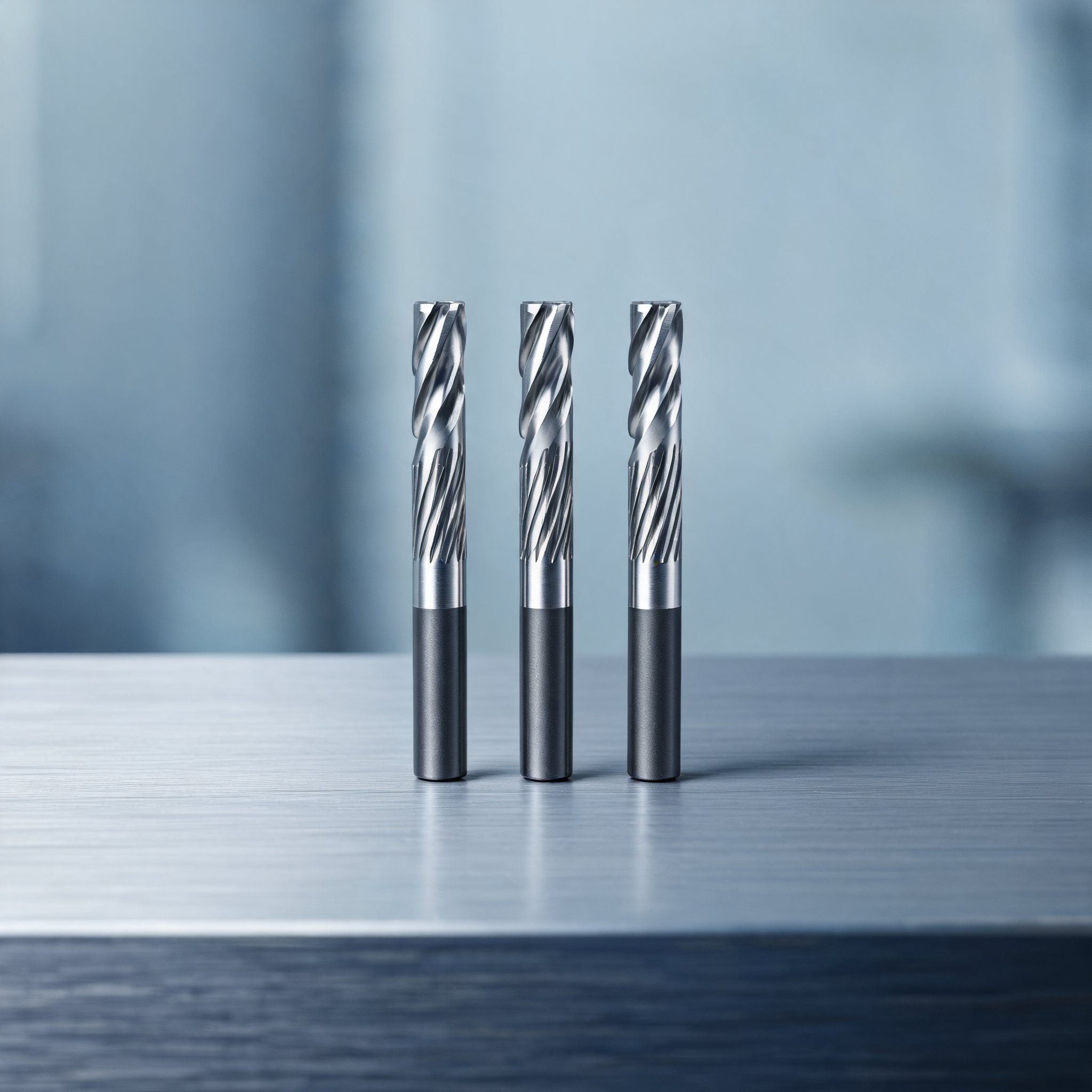
Seco has introduced S-Ream Core, a new range of solid-carbide reamers intended for reliable, cost-efficient reaming in P, M, K and N materials. The company positions the range between basic tooling and its high-performance Nanojet solutions, with the aim of delivering consistent hole quality, predictable tool life and a low cost per hole.
The tooling is designed for everyday production where dimensional accuracy matters but a premium reaming solution may be more investment than the application requires. Seco says a streamlined geometry, standard inspection and one universal coated grade reduce complexity while supporting repeatable IT7 precision.
S-Ream Core reamers have straight flutes and a 30-degree lead. The range includes 62 stocked diameters from 1.461 mm to 11.960 mm (0.057 in. to 0.470 in.), and additional sizes can be requested through Seco's MyDesign service.
The product sits within a three-tier reamer portfolio: Core, Plus and Max. Seco presents this structure as a way to make tool selection clearer and more closely focused on the application, with S-Ream Core covering general-purpose work rather than the higher-performance end of the range.
Seco describes the new range as engineered for production environments where maintaining dimensional accuracy is essential. Rather than adding complexity, the company says the tool's geometry, inspection approach and single coated grade are intended to make performance more predictable from hole to hole.