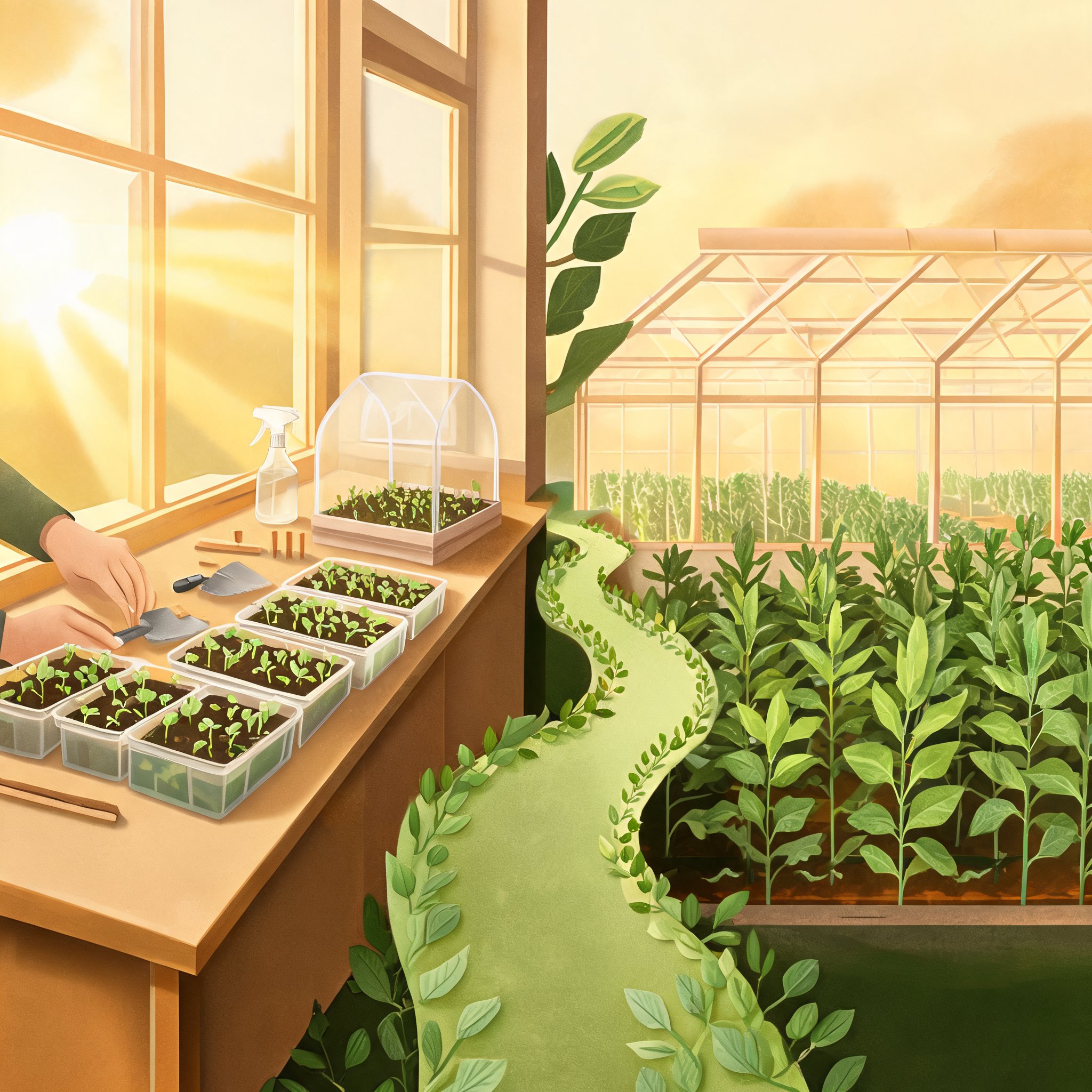
Seed Your Future has launched “From Classroom to Career: Grow the Next Generation,” its 2026 year-end fundraising campaign. The organization aims to raise $50,000 by Dec. 31, 2026, and says the campaign is intended to help at least 50,000 young people discover opportunities in horticulture.
The campaign focuses on reaching teachers, who can then introduce horticulture to entire classrooms. Seed Your Future says a donation of as little as $8.50 can help it reach one teacher with free Seed to STEM lessons and horticulture career resources. Those materials cover career paths that span plant science, technology, design, business, production and sustainability.
Jazmin Albarran, executive director of Seed Your Future, said young people cannot choose fields they have never learned about. She added that when educators bring horticulture into the classroom, students can see possibilities that connect their interests with meaningful work; each donation, she said, helps reach more teachers and students.
Donation levels and uses
- $85 equips 10 teachers with career exploration tools.
- $250 provides plantable career exploration papers for career fairs.
- $500 impacts 2,000 students exploring horticulture careers.
- $1,000 empowers more than 115 educators with career pathway resources.
- $5,000 covers the cost of two high school educators attending the Seed to STEM immersive program.
Seed Your Future says each teacher reached is a chance to introduce students to careers they may not encounter through traditional classroom learning. It describes horticulture as offering possibilities from hands-on growing and plant science to business, design and emerging technologies.
Resources built since 2014
Since its founding in 2014, Seed Your Future has worked to change perceptions of the horticulture industry and make career pathways more visible to students and educators. Its resources include:
- 156 career profiles showing the diversity of horticulture opportunities;
- more than 50 high school lessons connecting classroom learning to real-world careers;
- the Plant Power Career Quiz, which helps students discover where their interests align with horticulture;
- 30 ready-to-use classroom tools and resources for educators;
- internship and scholarship opportunities, career videos and industry stories; and
- Green Career Week, which connects industry professionals directly with students and future talent.
As the organization looks toward its next decade, it says expanding access to these resources remains essential to building a skilled workforce and helping young people understand how plants shape food systems, health, the environment and the economy.
Individuals, companies and industry partners can support the campaign through personal donations, corporate contributions or introductions to others interested in investing in horticulture’s future. Seed Your Future notes that Giving Tuesday on Dec. 1 is a suitable day to give, and that all gifts made by Dec. 31 count toward the $50,000 goal and are tax-deductible as allowed by law.
Seed Your Future describes itself as a movement to promote horticulture and inspire people to pursue careers working with plants. Its stated vision is a world where everyone understands and values the importance of plants and the people who work in the art, science, technology and business of horticulture.